




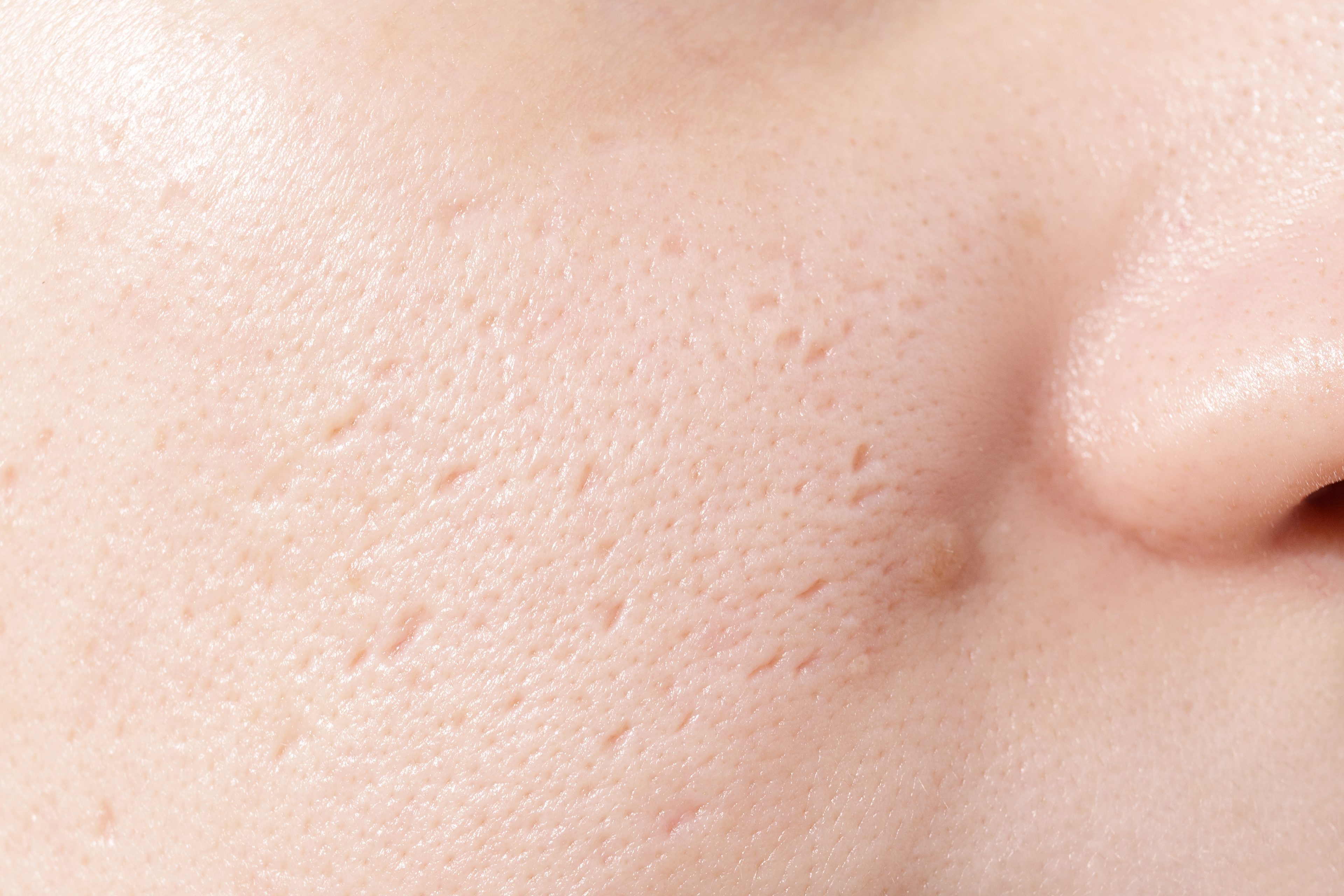
Release the Scar
Rolling and boxcar scars are often tethered by fibrous bands pulling the skin downward. The Micro Optical Fiber allows the physician to reach the fibrous bands directly and release the tension with precision.
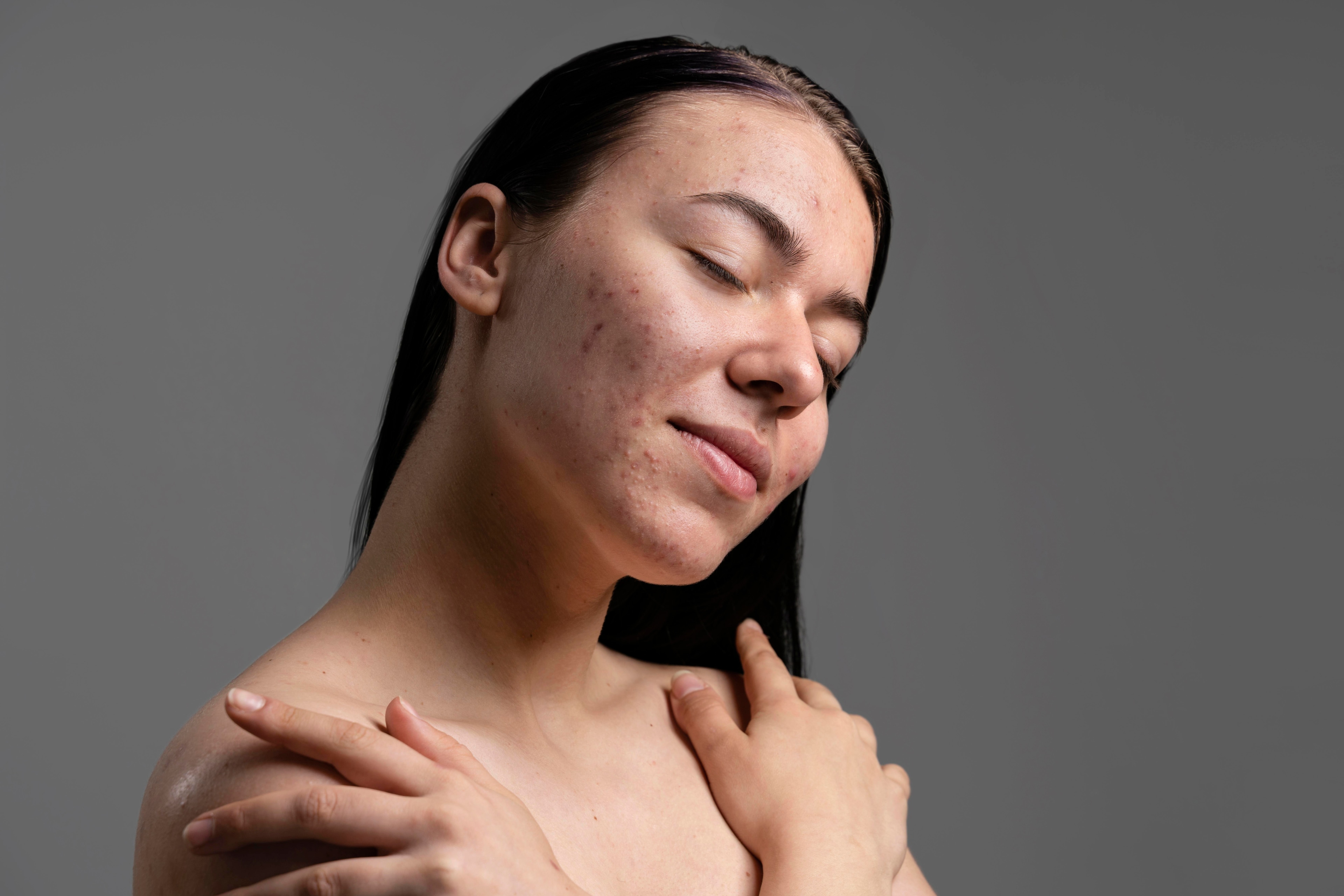
PROGRAM
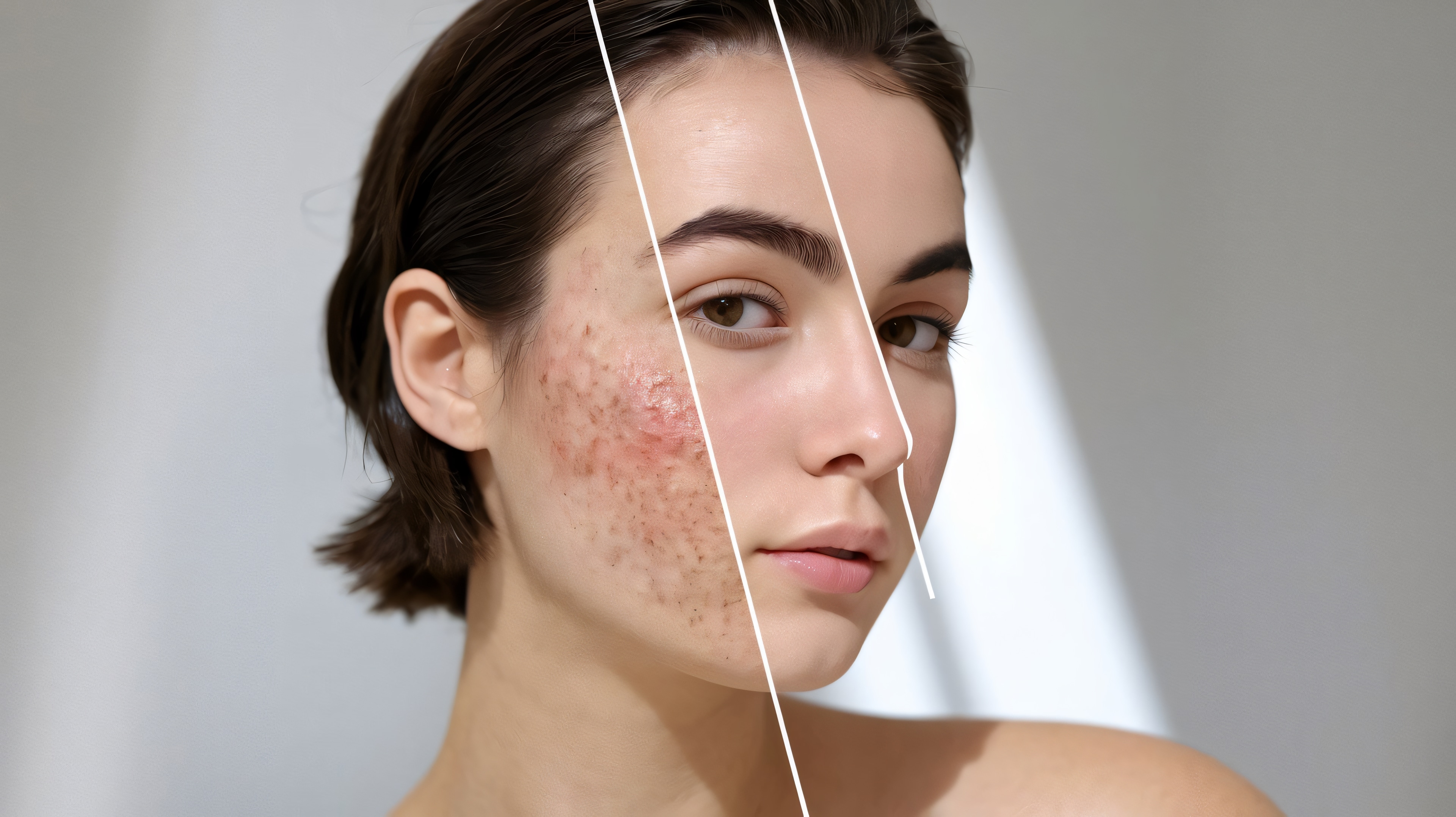
EndoliftX®
Release Fibrous Bands, Rebuild Collagen, and Improve Acne Scars from Within
Acne scars are not simply marks on the skin. In many cases they result from fibrous bands beneath the surface pulling on the tissue, causing the skin to sink into depressions and cast visible shadows across the face.
This is why skincare products or surface-level care alone are not enough for acne scars, especially rolling scars and boxcar scars, which are often related to fibrous tethering beneath the skin.
EndoliftX® Acne Scar Remodeling is designed to address the fibrous bands behind acne scars while remodeling the skin structure through three key actions:
Releases the fibrous bands pulling the scars downward, stimulates new collagen production, and refines the skin texture—helping acne scars look shallower and blend more naturally with the surrounding skin.
WHAT IS IT?
Fiber
Micro Optical Fiber
Energy
1470 nm Diode Laser
Approach
Minimally Invasive
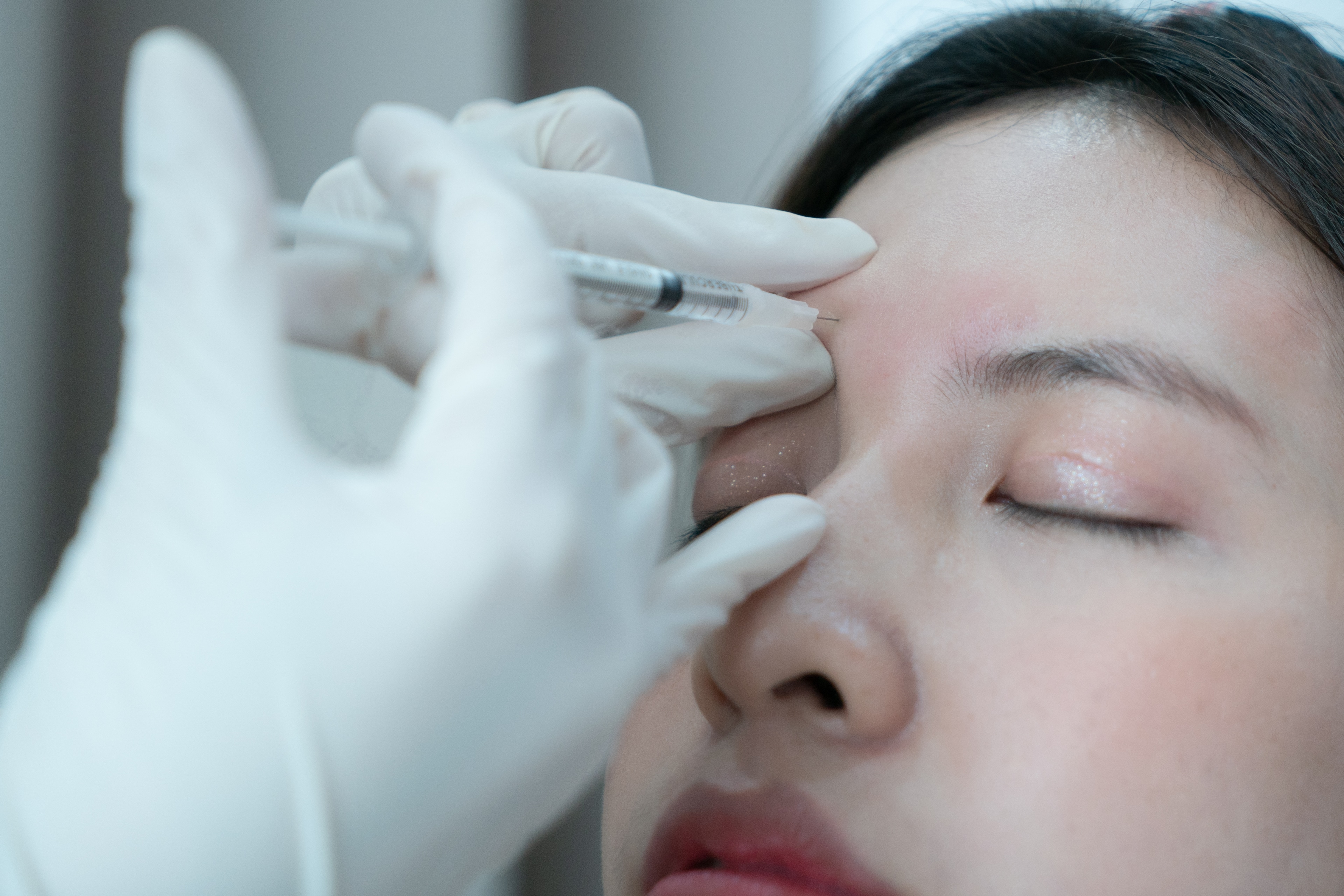
EndoliftX® Acne Scar Remodeling is a minimally invasive procedure. During treatment, the physician inserts a Micro Optical Fiber—a hair-thin optical fiber—beneath the skin to reach the fibrous bands beneath acne scars directly.
The 1470 nm diode laser energy delivered through the fine optical fiber helps release the fibrous bands tethering the scars, stimulates the repair process, and supports collagen formation beneath the skin.
As the downward pull is reduced and new collagen builds, acne scars look shallower, the skin becomes smoother, and the skin structure improves over time.
However, acne severity and scar structure vary from person to person, so medical assessment is needed to select the most appropriate treatment approach.
Rolling and boxcar scars are often tethered by fibrous bands pulling the skin downward. The Micro Optical Fiber allows the physician to reach the fibrous bands directly and release the tension with precision.
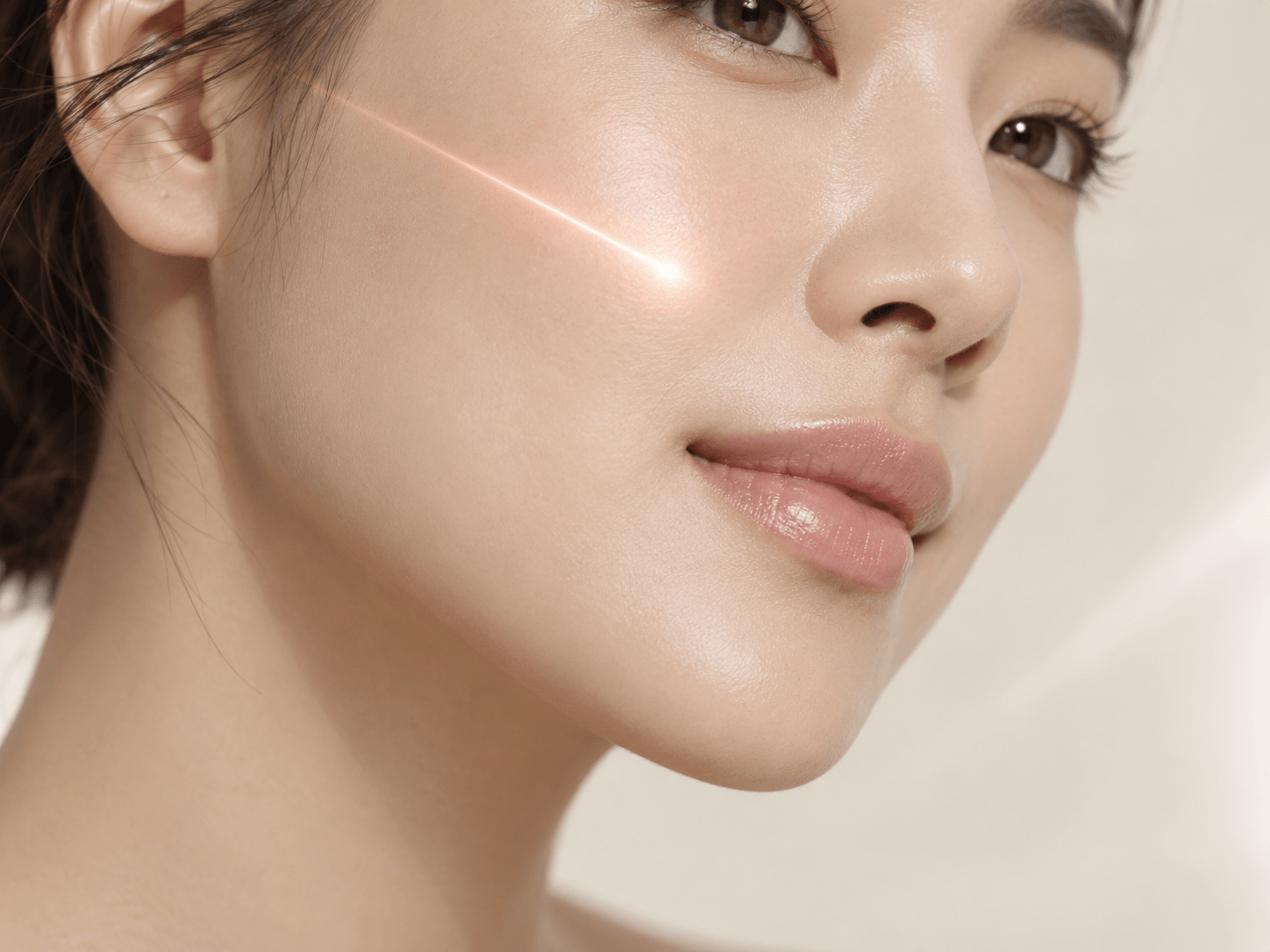
Delivers laser energy beneath the skin to precisely release fibrous scar bands.

Stimulates repair and new collagen formation from within, helping acne scars continue to look shallower over time.

As fibrous bands are released, the skin texture looks smoother, scar shadowing is reduced, and the overall surface appears more even.
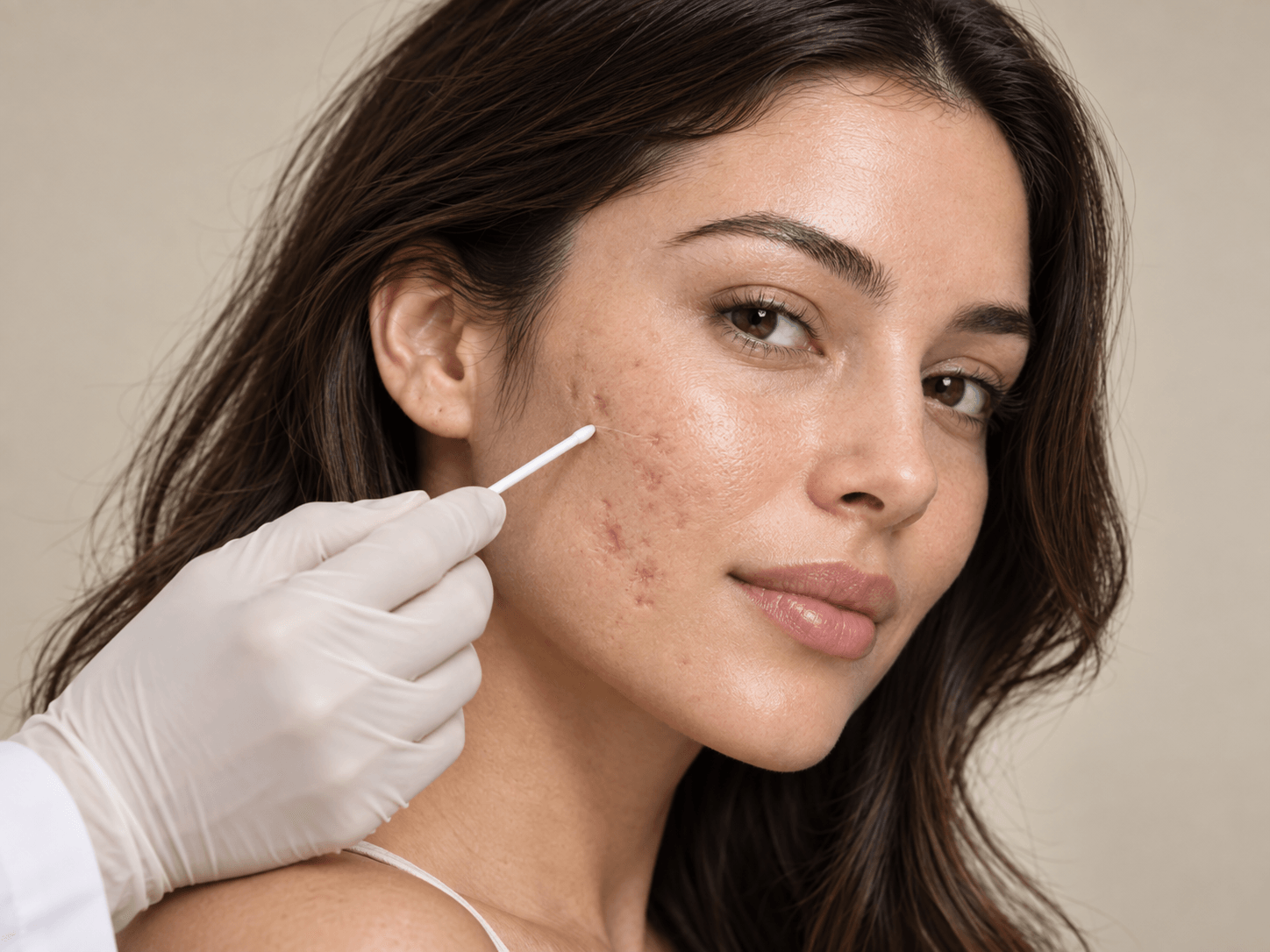
After specialist assessment, the energy level is tailored to each scar type to release fibrous bands, stimulate collagen, and help acne scars look shallower appropriately.
PROGRAM
A procedure with no large surgical incisions, performed under local anesthesia.
The release of fibrous bands and new collagen formation become clearer from around 1 month onward.
Can be planned alongside medication and other procedures to control acne, care for scars, and plan for long-term results.
The physician designs the treatment pathway to match the position, depth, and structure of each acne scar.
EndoliftX® can be combined with other procedures to address different types of acne scars appropriately.
Before treatment, the physician assesses and identifies the type of acne scar or scar present, as each type has different characteristics and treatment approaches.
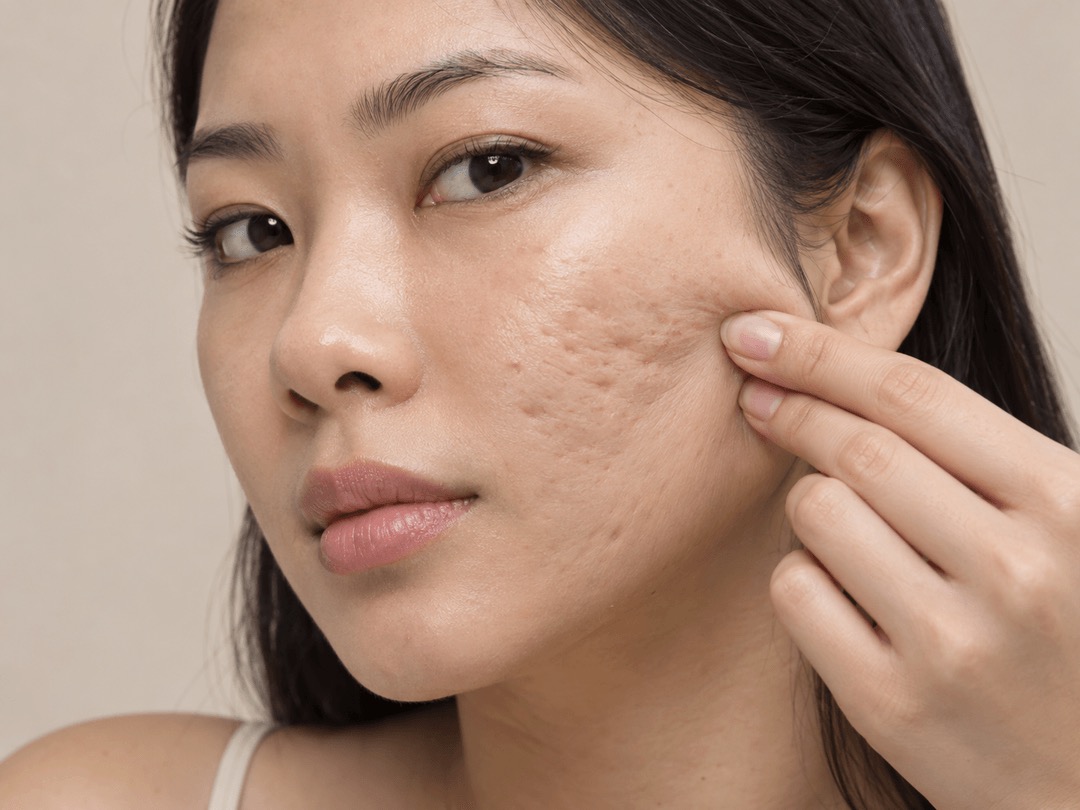
Acne Scar Type
Rolling scars have gently sloping edges and give the skin a wave-like appearance. They are often related to fibrous bands beneath the skin pulling on the tissue, and are suitable for Laser-Assisted Subcision.

Acne Scar Type
Scars tethered by fibrous bands beneath the skin—such as those from surgery, thread lifts, or previous liposuction—may create wavy, distorted, or visibly scarred areas.
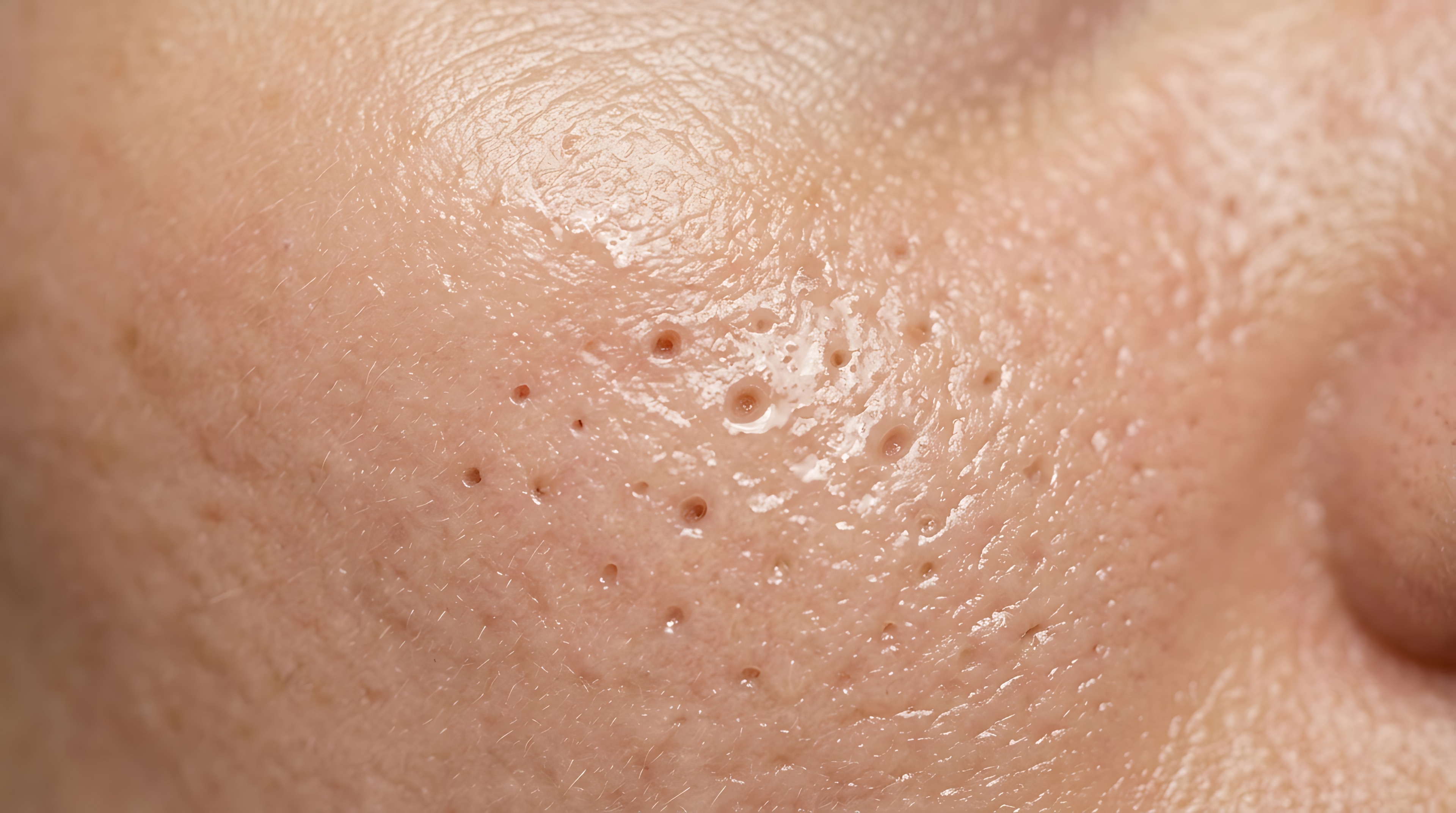
Acne Scar Type
Boxcar scars have relatively defined edges and can be shallow or deep. For those involving fibrous bands, treatment can be planned to release the bands and stimulate collagen to help the scars look shallower.
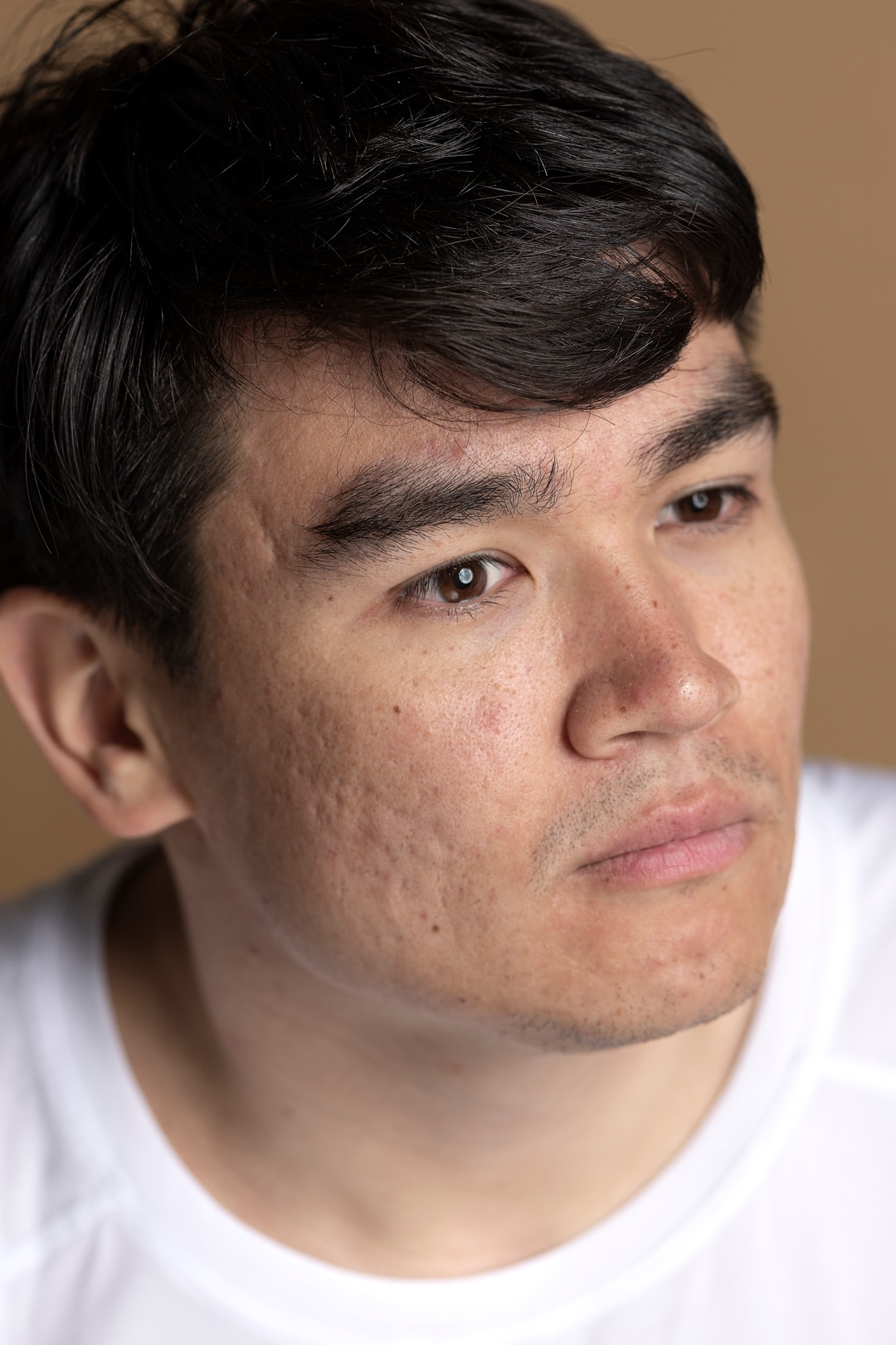
Acne Scar Type
Narrow, deep ice pick scars or certain enlarged pore-like depressions are not the primary indication for EndoliftX® alone, so treatment is often planned together with Prodeep® or another targeted technique after medical assessment.

Acne Control First
Before Scar Remodeling
EndoliftX® can help control inflammatory acne, as the 1470 nm diode laser energy reduces sebaceous gland activity, one of the key contributing factors to acne.
It can therefore address both inflammatory acne and acne scars, while helping reduce the chance of new breakouts at the same time.
EndoliftX® helps control inflammatory acne, reduces sebaceous gland activity, and cares for acne scars at the same time.
The physician will assess and plan treatment alongside medication and other procedures suited to each individual. In some cases, this may help reduce reliance on certain medications, such as retinoids or antibiotics, and lower the risk of their side effects.
Treatment Flow
Assess skin condition and scar type
Create an individualized treatment plan
Perform EndoliftX® according to the plan
Follow up and provide aftercare guidance

Some scars begin to look more elevated after the fibrous bands are released. However, this is not the final result, as post-treatment swelling can temporarily make the scars appear shallower.
Mild localized swelling or bruising occurs at the points where fibrous bands were released and collagen was stimulated. The extent depends on the number of scars treated, the treatment area, and individual response.
As swelling subsides, the skin begins to settle and look smoother. Initial changes in scar depth and overall texture become clearly visible.
The skin continues to change as new collagen forms. Acne scars look shallower, surface shadowing is reduced, texture appears smoother, and inflammatory acne occurs less often.
Follow-up should continue according to the program designed by the specialist physician, to assess progress and plan ongoing care suited to each individual.
The timeline and degree of change depend on the type and depth of the scars, the amount of fibrous tissue, scar age, skin quality, treatment technique, and aftercare.
In general, approximately 1-2 sessions are planned. The physician will monitor progress over the first 3-6 months to evaluate collagen recovery and changes in the scars.
In general, more than 2 sessions or combination treatment are planned. Each session is spaced approximately 6 months to 1 year apart, depending on medical assessment.
The number of sessions does not depend solely on how deep the scars appear. The scar type, degree of tethering, and underlying skin structure must also be considered.
The first 3-6 months are an important follow-up period to evaluate collagen formation, skin response, and whether further treatment is needed.
A simple comparison of treatment approaches based on individual skin condition and concerns.
The key to effective acne-scar treatment is not using the same method on every spot. It is accurately identifying whether each scar is caused by fibrous bands, collagen loss, or requires another technique, in order to design treatment suited to each person's skin structure.
Before treatment, the physician assesses the scar type, the depth of fibrous tethering, and skin condition, in order to design a treatment approach suited to each scar.
A: Not all types of acne scars respond to the same treatment approach. EndoliftX® is particularly suitable for acne scars associated with fibrous tethering, especially Rolling Scars and selected Boxcar Scars with underlying fibrous attachments. For Ice Pick Scars or deeper Boxcar Scars, the physician will assess each scar individually and may recommend combining EndoliftX® with other procedures to achieve an appropriate treatment approach.
A: Before the procedure, the physician will administer local anesthesia to the treatment area. Patients should not experience pain during the procedure.
A: Ice Pick Scars are characterized by narrow openings and deeper extensions into the skin. They are therefore not the primary type of acne scar treated with EndoliftX® alone, as their structure differs from Rolling Scars, which are typically associated with broader areas of fibrous tethering. The physician will assess the depth and characteristics of each scar and may combine EndoliftX® with Prodeep® or other targeted techniques according to the individual scar type.
A: Some acne scars may appear elevated immediately after the fibrous attachments beneath the skin have been released. However, the initial appearance does not represent the final result, as post-treatment swelling can temporarily make the scars appear shallower. As the swelling subsides, the skin will gradually settle, while results continue to develop through the process of collagen remodeling.
A: For shallower acne scars or scars with less extensive fibrous tethering, approximately 1–2 treatment sessions are generally planned. Deeper scars or scars with more substantial fibrous tissue generally require more than 2 sessions or a combination of treatment modalities. The physician will monitor progress during the first 3–6 months to assess collagen remodeling and changes in scar appearance. If additional treatment is required, subsequent sessions are generally spaced approximately 6 months to 1 year apart, depending on skin condition and individual treatment response.
A: As skin structure and collagen quality improve, enlarged pores may appear more refined. However, EndoliftX® does not eliminate pores completely. The degree of improvement depends on the individual's skin condition, pore size, and the underlying cause of enlarged pores.
A: Yes. EndoliftX® can be incorporated into the management of inflammatory acne. The 1470 nm diode laser energy helps reduce sebaceous gland activity, which is one of the contributing factors in acne development. This allows the physician to develop a treatment plan that addresses both active inflammatory acne and acne scarring. Medication and other procedures may also be incorporated according to the individual's skin condition and treatment needs.
A: Swelling, bruising, tightness, or tenderness may occur in the treated areas during the initial recovery period. These effects gradually improve as the skin heals. Recovery time varies depending on the number of scars treated, the size of the treatment area, the treatment technique, and each individual's skin response.
A: Releasing fibrous tethering and stimulating new collagen formation can provide long-term improvement in the structure and appearance of acne scars. However, the skin continues to change naturally with age, and new inflammatory acne can lead to the formation of additional scars. Ongoing acne control and appropriate skin care are therefore important for maintaining results over the long term.
ELEVEN I CLINIC
Explore patient experiences or speak with our team to plan your treatment and book a doctor consultation.