




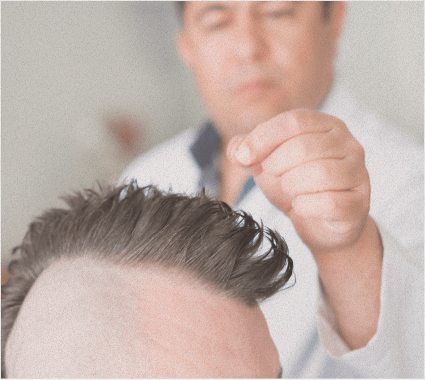
Detailed medical history
We review lifestyle, stress, nutrition, medication, and relevant health conditions.
PROGRAM
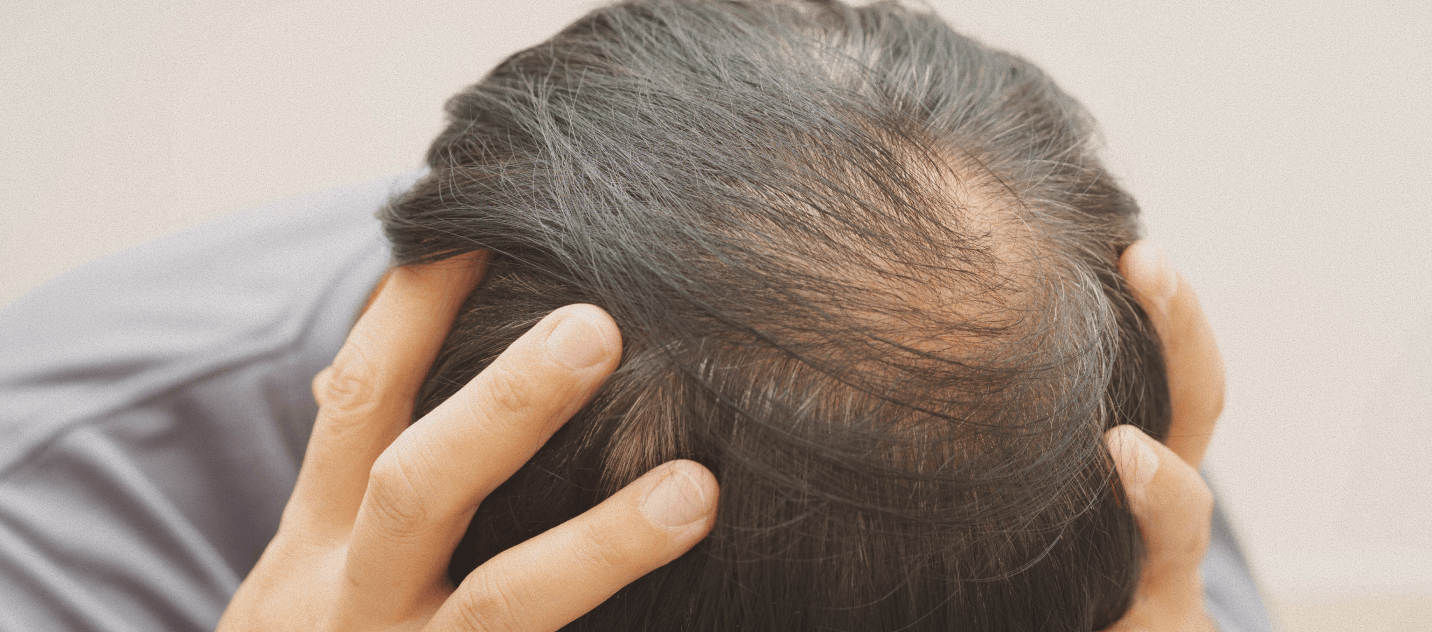
Progressive shedding, widening part lines, or visible thinning may signal that the scalp and follicles need targeted care. Our program covers diagnosis, medication, nourishment, and hair restoration planning.
We review lifestyle, stress, nutrition, medication, and relevant health conditions.
Testing can identify hormone changes or nutritional deficiencies associated with shedding.
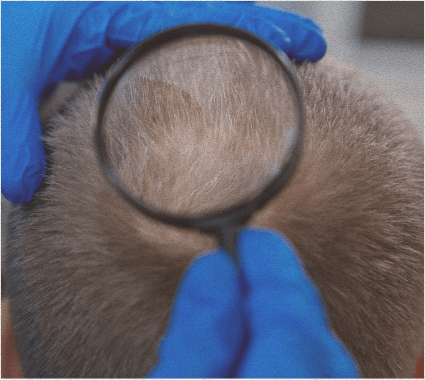
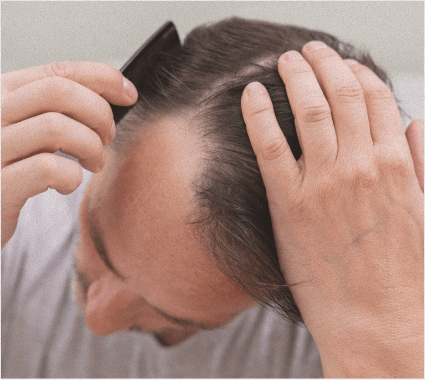
Magnified assessment of follicles and scalp helps guide a personalized plan.
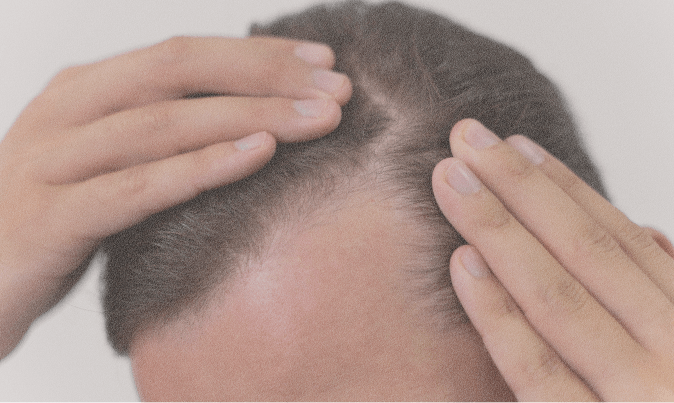
Genetic hair loss is common. Treatment focuses on managing DHT-related follicle sensitivity and supporting the existing hair to slow progression and preserve density.
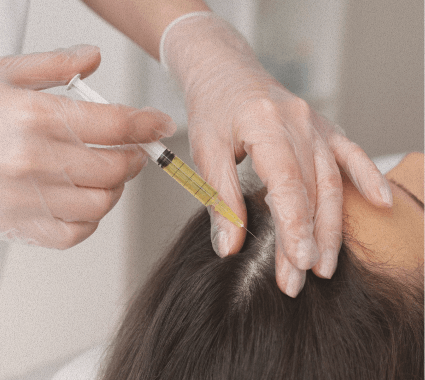
Delivers growth factors to support follicle activity and regeneration.

Provides selected nutrients that support the hair growth cycle.

Uses light energy to support follicle activity and hair growth.
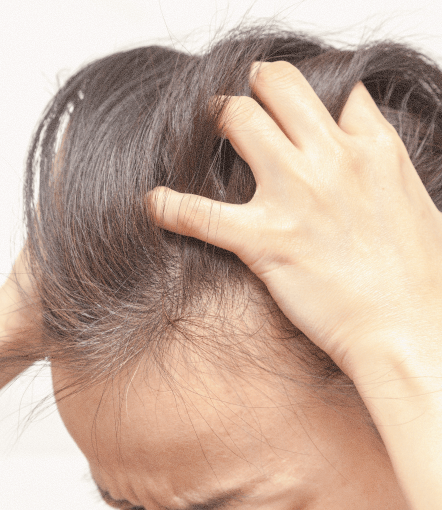

When medication or nourishment cannot restore enough density, a doctor may recommend permanent transplantation such as FUE, moving healthy follicles into selected areas with precision.
A: With consistent care, early changes may appear around 3-6 months, with clearer results over 6-12 months.
A: Options include medication, injections, nutritional support, laser therapy, and transplantation depending on the cause.
A: It may suit people with early to moderate thinning who want to support follicle activity using their own growth factors.
ELEVEN I CLINIC
Explore patient experiences or speak with our team to plan your treatment and book a doctor consultation.