




Genetic predisposition
Genetics can increase risk, especially when psoriasis is present in the family.
PROGRAM
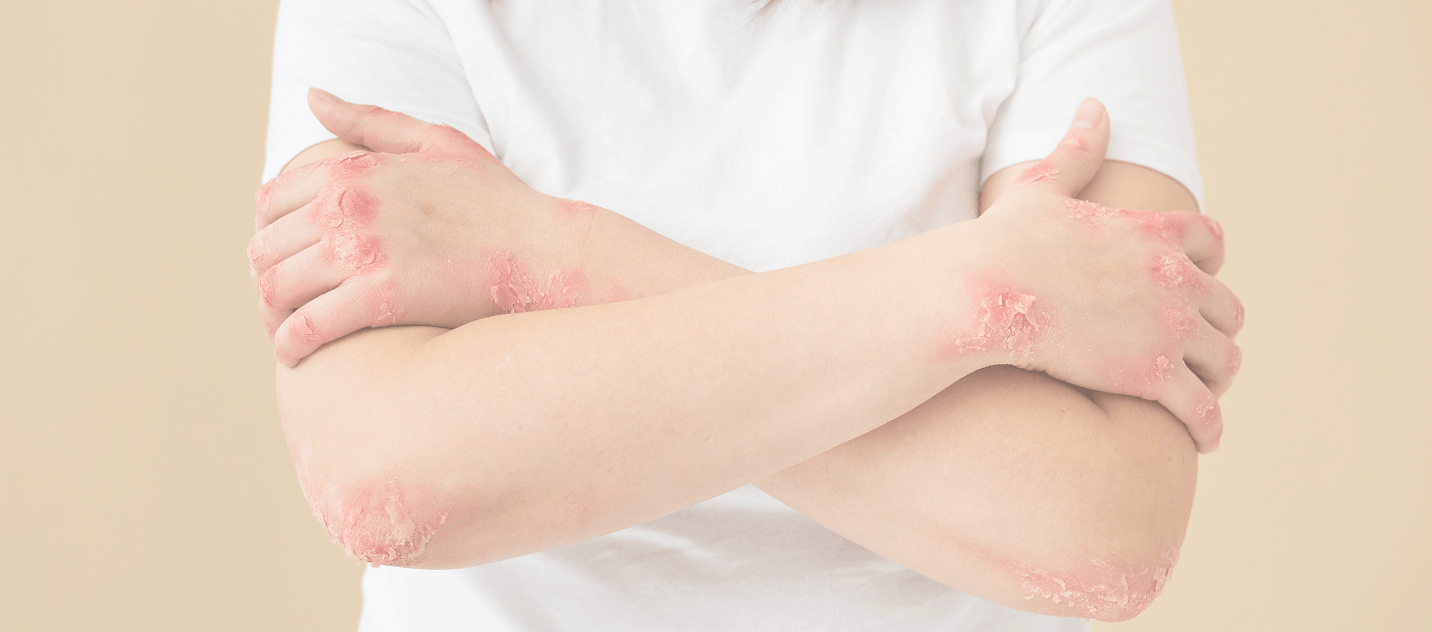
Thick, itchy plaques with white scales can affect confidence and everyday life. Psoriasis is a chronic inflammatory skin condition that needs consistent, individualized care.

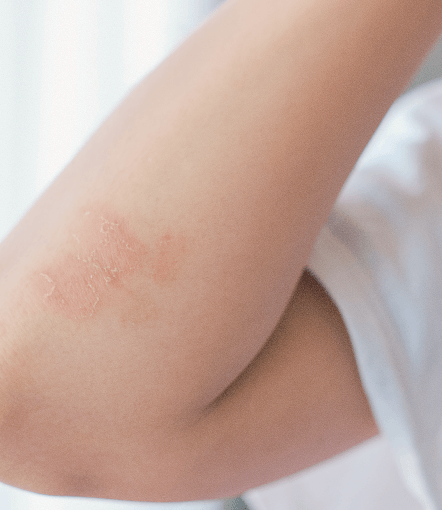
Psoriasis is a chronic inflammatory skin condition linked to immune-system activity. It is not contagious and can be managed with medical assessment, skin care, and a suitable treatment plan.
Psoriasis develops through a combination of factors, with three important contributors.
Genetics can increase risk, especially when psoriasis is present in the family.

An overactive immune response accelerates skin-cell turnover and creates thick plaques.
Stress, infection, skin injury, and some medicines may trigger a flare-up.
PROGRAM
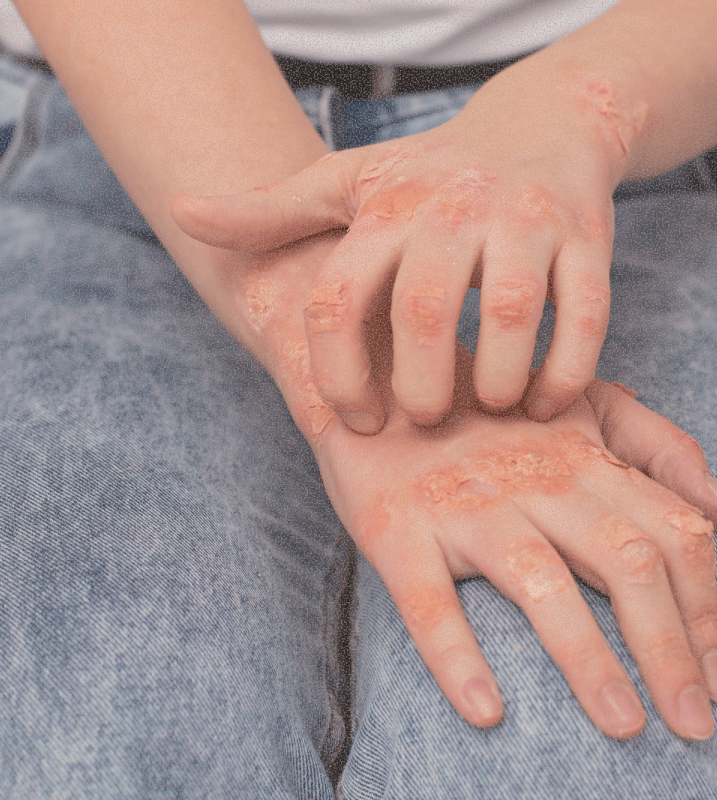
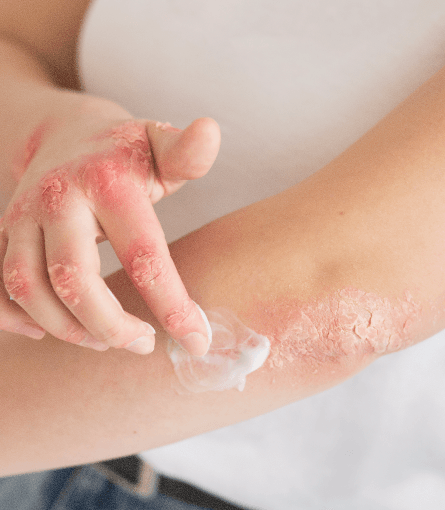
Raised, defined plaques that look thicker than surrounding skin
White or silver scales that may bleed when scratched
Itching can occur but varies from person to person
Nails may become thick, ridged, or pitted
Treatment aims to reduce inflammation, slow skin-cell turnover, clear plaques, and prevent recurring flares.
A: There is currently no permanent cure, but suitable treatment can control symptoms and help the condition reach remission.
A: Psoriasis often forms thicker plaques with white or silver scales, while eczema is commonly very itchy and dry. A doctor can help confirm the diagnosis.
A: Food may be a trigger for some people. Track possible triggers and speak with a doctor if you have concerns.
ELEVEN I CLINIC
Explore patient experiences or speak with our team to plan your treatment and book a doctor consultation.