




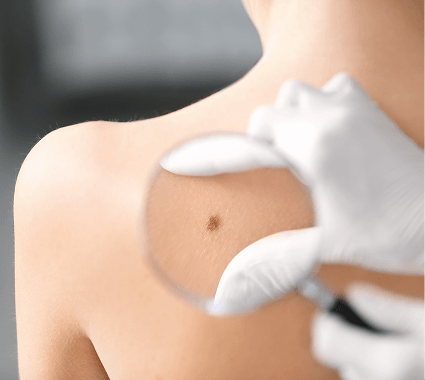
Visual examination
A doctor examines the skin from face and trunk to areas that are difficult to inspect alone.
PROGRAM
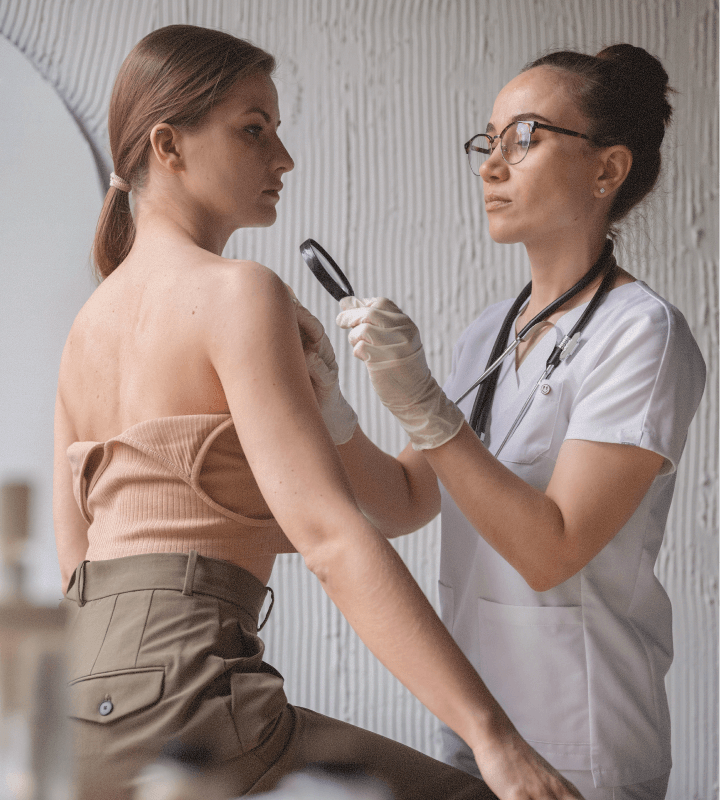
Skin cancer can often be managed successfully when found early. A full-body screening looks for changes across the skin, especially for people with risk factors or many moles and lesions.
A doctor examines the skin from face and trunk to areas that are difficult to inspect alone.

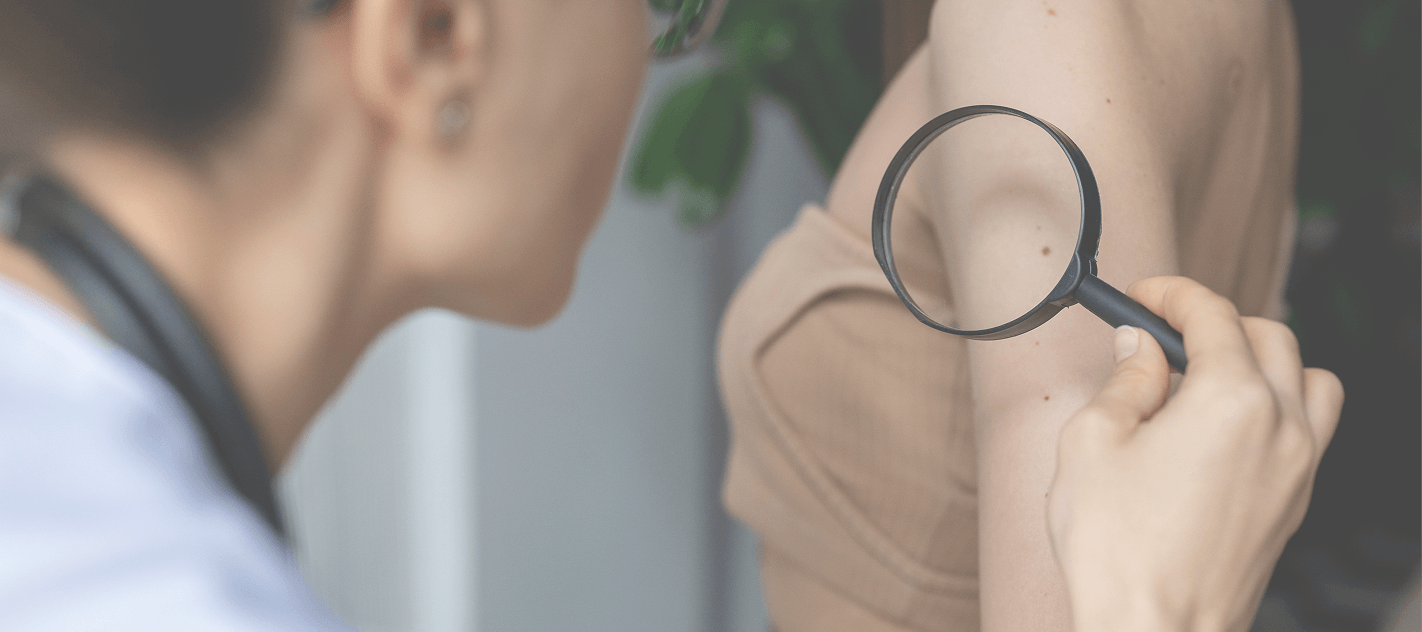
Magnified assessment reveals details and structures that may not be visible to the naked eye.

Selected cases may benefit from photography and documentation for future comparison.
Early detection can mean a 99% survival opportunity
Melanoma is the most dangerous type of skin cancer, but when found at an early stage, the chance of successful treatment can be as high as 99%. Screening is a long-term investment in skin health.
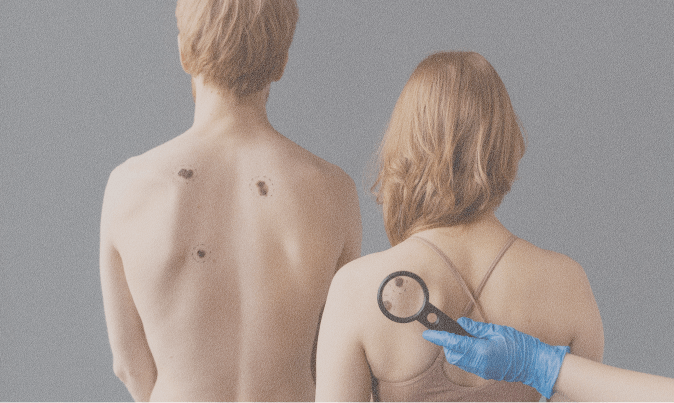
A doctor may remove a small sample from a suspicious area for laboratory analysis.
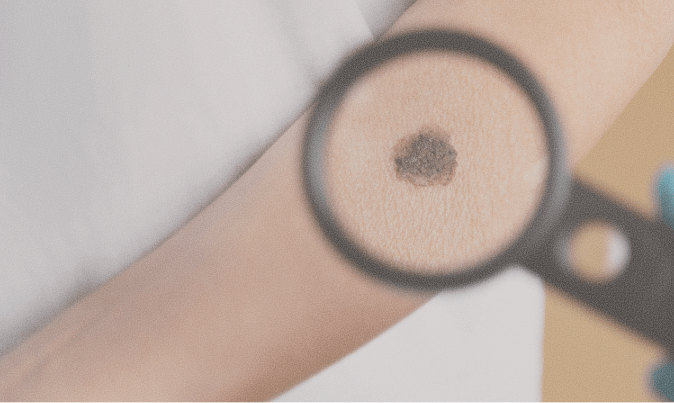
The result confirms whether a lesion is concerning and guides the next treatment step.
A: Usually around 15-30 minutes, depending on the number of moles or lesions to assess.
A: This depends on your risk level. Your doctor will recommend an appropriate schedule.
A: No. Screening uses visual and magnified examination. A biopsy is performed only when a suspicious area needs confirmation.
ELEVEN I CLINIC
Explore patient experiences or speak with our team to plan your treatment and book a doctor consultation.