





Break Down Pigment
Picosecond energy is delivered rapidly to the targeted pigment, breaking it into smaller particles. The physician selects the wavelength according to the pigment’s color and depth.

PROGRAM

Break Down Pigment, Renew the Skin, and Stimulate Collagen with Picosecond Energy
Dark spots, freckles, melasma, post-acne marks, and tattoo ink may look similar on the surface, but these pigments can sit at different depths and respond differently to laser energy.
Effective treatment is therefore not simply about “fading the marks.” The wavelength, handpiece, and energy settings must be selected according to each type of pigment.
HandPICO combines Picosecond Laser technology with targeted handpieces to address both unwanted pigmentation and overall skin quality through three key actions:
It breaks pigment into smaller particles so the body can gradually clear them through its natural processes while stimulating collagen renewal for smoother, brighter, and more even-looking skin.
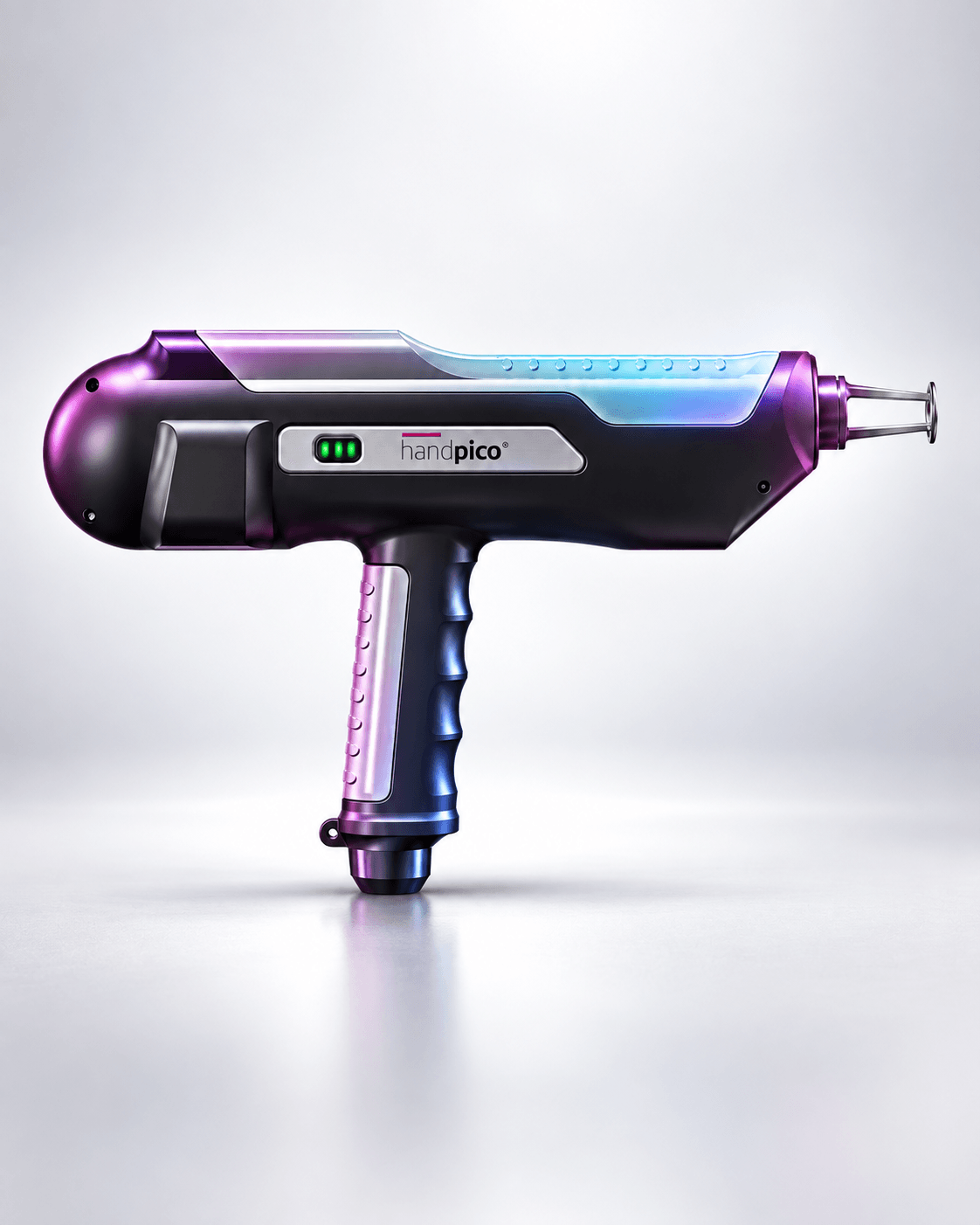
WHAT IS IT?
HandPICO is a laser program that uses Picosecond energy—delivered in pulses as short as one-trillionth of a second—to target unwanted pigment rapidly.
The energy creates a predominantly mechanical impact known as the Photoacoustic Effect, breaking pigment into smaller particles. The body then gradually clears these particles through its natural processes.
Because the energy is delivered in extremely short pulses, it can limit heat accumulation in surrounding tissue compared with lasers that use longer pulse durations. However, the skin may still experience warmth, redness, or inflammation, so settings must suit each patient’s skin tone and concerns.
In addition to treating pigmentation, HandPICO can be combined with a Fractional Lens to create microscopic changes beneath the skin, stimulating repair and new collagen production without ablating the entire skin surface.
Picosecond energy is delivered rapidly to the targeted pigment, breaking it into smaller particles. The physician selects the wavelength according to the pigment’s color and depth.

Once the pigment has been fragmented, immune cells and the body’s natural processes gradually clear the particles. The marks therefore fade progressively rather than disappearing immediately after treatment.

When a Fractional Lens is used, the energy is divided into microscopic points to create Laser-Induced Optical Breakdown, or LIOB, beneath the skin. This stimulates repair without creating open wounds across the entire skin surface.
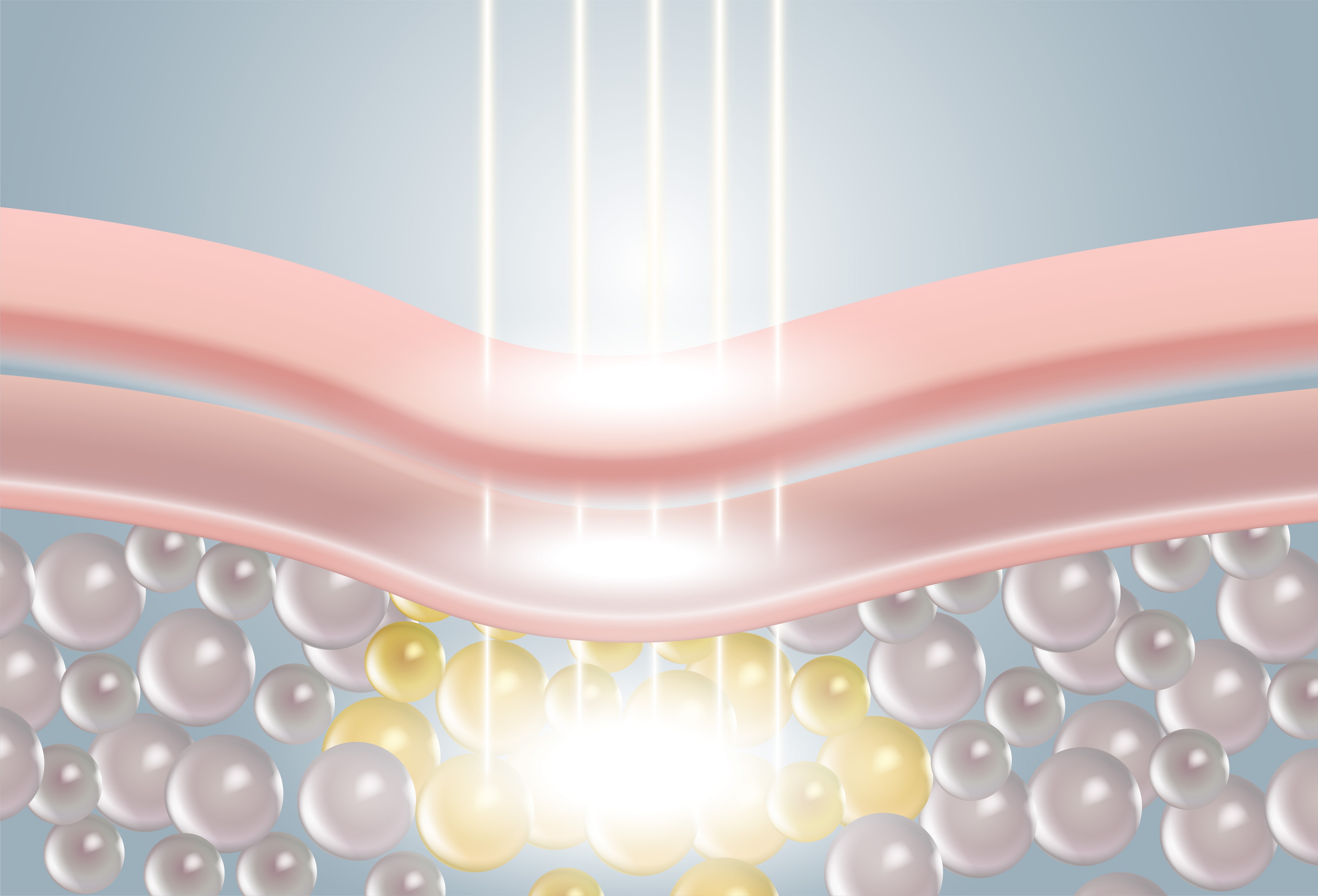
The healing response following treatment supports collagen production and reorganization. Pores may appear less noticeable, certain acne scars may look shallower, and the skin texture may become smoother.

The physician can select the most appropriate handpiece, wavelength, and energy-delivery mode for each concern. The same handpiece and settings do not need to be used across the entire face.
PROGRAM
Delivers energy in pulses as short as one-trillionth of a second to break pigment apart rapidly while limiting heat spread into surrounding tissue.
The 532 nm and 1064 nm wavelengths target different pigments and tissue depths, allowing selection based on pigment type, color, and location.
Addresses both unwanted pigmentation and skin quality when combined with a Fractional handpiece where medically appropriate.
Temporary redness, swelling, or darkening of treated pigment may occur. Extended downtime is generally not required, although recovery depends on the handpiece and settings.
Every treatment is tailored according to skin tone, pigment type, depth of concern, and previous response to laser treatment.
Each handpiece is selected according to the mark, skin tone, and treatment goal so the energy can be tailored to each individual.
01
Used for relatively superficial pigment concerns such as selected freckles, sunspots, or tattoo colors. The physician selects this wavelength when the mark is likely to respond well to it.
02
Used for selected deeper pigment concerns, darker tattoo inks, or skin quality treatments where appropriate. Settings can be adjusted carefully to suit skin tone and the concern being treated.
03
Used when the goal is skin quality improvement, such as pores, uneven texture, selected acne scars, or fine lines. It supports gradual skin renewal and collagen remodeling.
Helps gradually fade certain dark spots and pigmentation concerns. The cause and depth of each mark must be assessed before treatment.
May be suitable for selected freckles and sun-related pigmentation. The physician selects the wavelength and settings according to skin tone and pigment characteristics.
Helps gradually fade post-acne hyperpigmentation. Red post-acne marks may respond better to another laser or a combination with Aileen Laser, depending on assessment.
May be included in a melasma-management plan for suitable patients. As melasma is complex and may darken again, treatment should be combined with sun protection, topical medication, and trigger management.
With a Fractional Lens, HandPICO may stimulate collagen, helping certain acne scars appear shallower while making pores less noticeable and texture smoother.
Helps break tattoo pigment into smaller particles so it gradually fades. Results depend on ink color and type, pigment depth, tattoo age, and available wavelengths. Not every color fades equally.
Supports collagen renewal so the skin gradually appears smoother, firmer, and more even.

The skin may appear mildly red, warm, or swollen. Some pigmented spots may temporarily become darker as part of the skin’s response. The initial appearance is not the final result, as the body requires time to clear fragmented pigment.
Redness and irritation generally begin to subside. Some pigmented spots may darken or form a light crust, depending on the handpiece, settings, and concern treated. Patients should not pick, scratch, or exfoliate the treated skin.
Some pigmentation may begin to look lighter, and skin tone may appear more even. The physician can assess the initial response before planning the next session.
When a Fractional Lens is used, improvements in collagen and skin quality may continue to develop. Pores may appear less noticeable, texture smoother, and certain acne scars improved.
The timeline and degree of improvement depend on the type and depth of pigment, skin tone, handpiece, energy settings, number of sessions, and post-treatment care.
Some patients may begin to notice changes after the first 1–2 sessions. In general, the physician may recommend approximately 3–6 sessions or more, spaced around 2–4 weeks apart, depending on the concern.
Certain freckles or dark spots may respond more quickly. Melasma generally requires ongoing management. Acne scars need time for collagen remodeling and may require combined procedures, while tattoo removal generally takes multiple sessions and some colors are more difficult to treat.
The physician will assess the skin’s response after each session and adjust the plan accordingly. Not every patient requires the same number of sessions or energy settings.
Post-acne marks and discoloration can include both brown and red components. A single laser may therefore not address every concern.
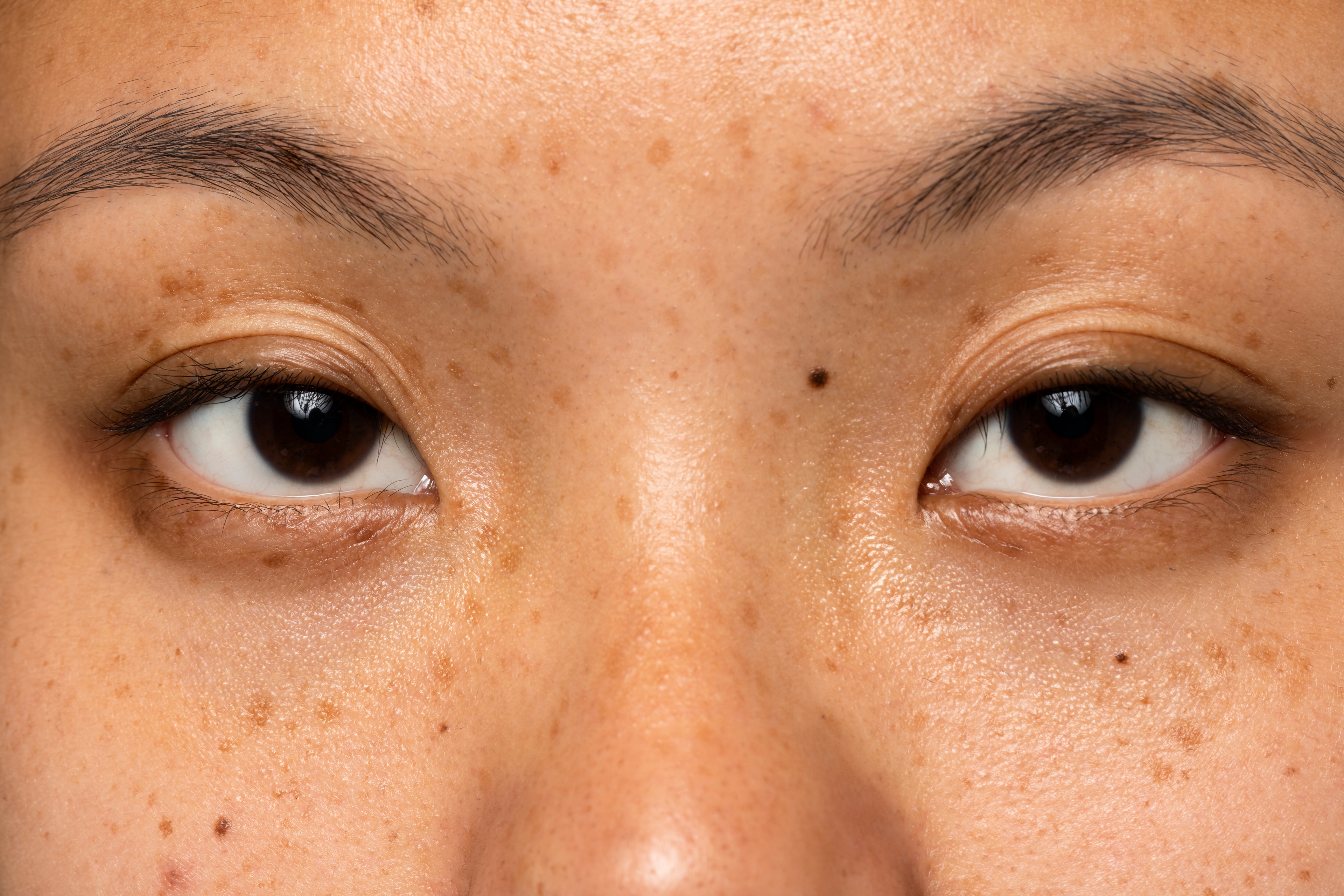
Primarily targets unwanted pigmentation such as dark spots, freckles, selected melasma pigments, and tattoo ink. With a Fractional Lens, it can also support collagen renewal.
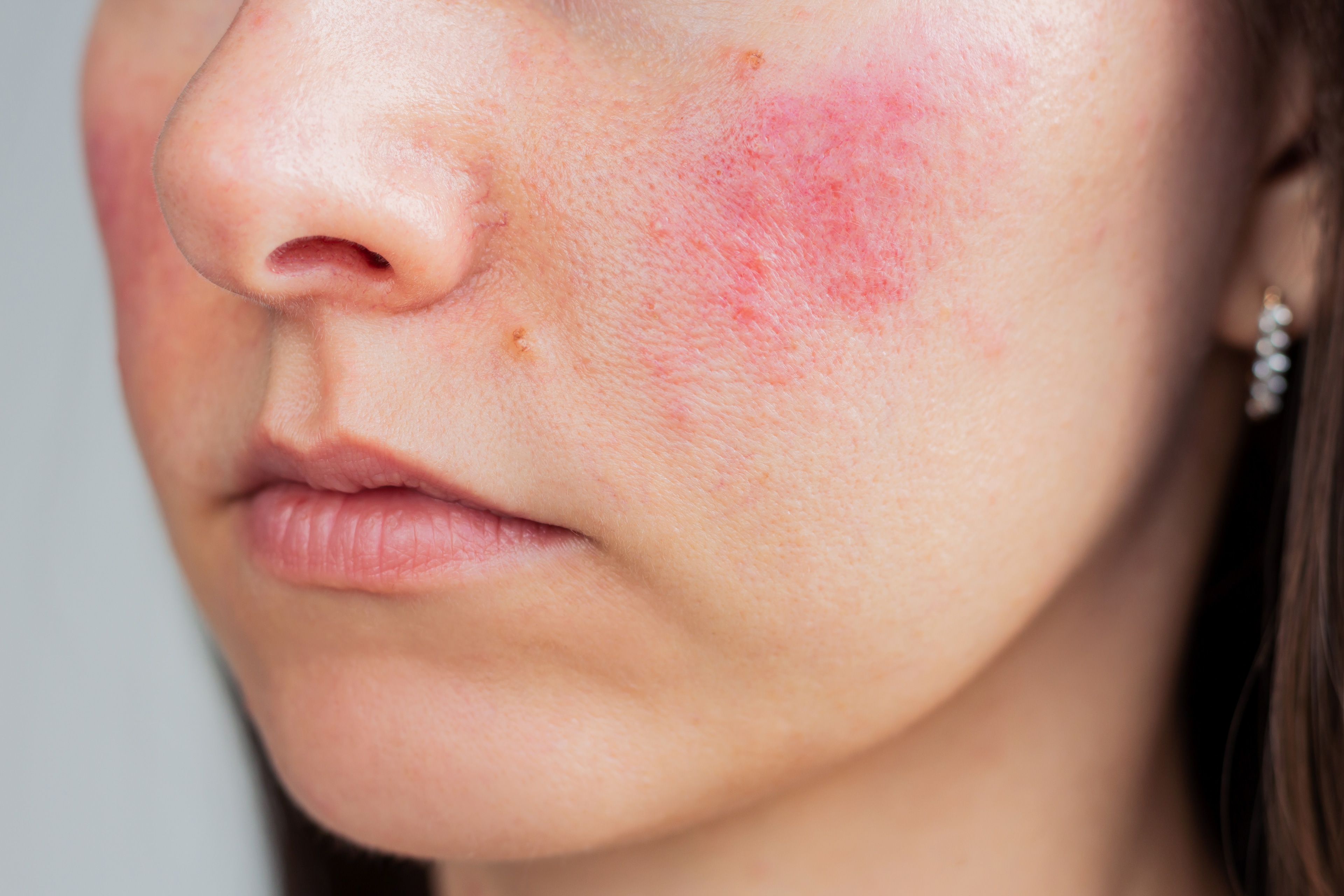
Uses Long-Pulsed Nd:YAG 1064 nm technology to address concerns such as redness, selected vascular lesions, enlarged pores, and unwanted hair where appropriate.

The physician may combine both programs for red and brown post-acne marks, uneven tone with visible blood vessels, enlarged pores with post-acne marks, or when both pigmentation and skin quality need attention. Not every patient requires both treatments. The plan depends on the cause, color, and depth of each concern.
Effective pigment treatment is not about using the highest possible energy. The key is correctly identifying:
Using excessive energy or an unsuitable treatment method may cause irritation, post-inflammatory hyperpigmentation, or rebound darkening. A medical assessment is essential, particularly for patients with melasma, darker skin tones, pigmentation tendency, or laser sensitivity.
A: During treatment, patients may feel mild snapping, warmth, or stinging similar to a rubber band touching the skin. The level of sensation depends on the handpiece, energy settings, and treatment area. The physician may apply a topical anesthetic before higher-energy treatments or procedures using a Fractional Lens.
A: Laser treatment does not make the skin thinner when appropriate energy settings and treatment intervals are used. However, treatments performed too frequently or with excessive energy may irritate the skin. Patients should therefore follow a physician-designed treatment plan.
A: This depends on the handpiece and energy settings used. Some treatments may cause only temporary redness, while targeted pigment treatment may cause the spots to darken or form a light temporary crust.
A: Melasma is influenced by multiple factors and can become darker again. HandPICO may help reduce the appearance of pigmentation in suitable patients, but it should be combined with sun protection, skincare, and other treatments recommended by the physician.
A: Some patients may begin to notice changes after one or two sessions, but approximately 3–6 sessions or more may be required. The number depends on the type and depth of pigment and the treatment goals.
A: Different wavelengths respond differently to different ink colors. Black and darker inks may respond differently from red, green, blue, yellow, or lighter colors. The physician must assess the color, ink type, and pigment depth before treatment. Complete removal of every color cannot be guaranteed.
A: When used with a Fractional Lens, the energy may stimulate collagen production and improve skin texture, helping certain acne scars appear shallower. Tethered or very deep scars may require subcision, TCA CROSS, or another complementary procedure.
A: Avoid strong sunlight, heat, exfoliation, picking at the skin, and irritating skincare products during the initial recovery period. Apply sunscreen consistently and follow the physician’s aftercare instructions.
A: No. Regulatory clearance varies according to the brand, device model, handpiece, and intended use. Patients should ask the clinic for the exact device name and its relevant regulatory information before treatment.
Marks that look similar may have entirely different causes and depths.
Consult a physician for an assessment of your pigment type, skin tone, and skin structure, followed by a personalized selection of wavelength, handpiece, and energy settings for your individual concerns.
ELEVEN I CLINIC
Explore patient experiences or speak with our team to plan your treatment and book a doctor consultation.